
For years, cross-border e-commerce dominated the Asia-Europe air cargo lane. Millions of small parcels traveled the skies daily and arrived in Europe, duty-free under the €150 de minimis rule. Every shipper felt the squeeze on space and peak-season rate volatility, whether moving electronics, automotive parts, or retail goods.
On 1 July 2026, the European Union updated this system by removing the €150 duty exemption and implementing new compliance rules for imported goods. This reform aligns with a broader global shift in trade policy, which also saw the United States end its Section 321 de minimis threshold in August 2025.
Here is your guide to understanding the rule changes, who it affects, and how to adapt your supply chain strategy for the coming months.
What’s changing: the end of the EU’s €150 de minimis exemption
Parcels valued under €150 previously entered the EU duty-free. Originally designed for personal items, this exemption became the primary model for fast fashion, consumables, trending items, and global dropshipping.
As of 1 July 2026, the duty-free exemption ended. All parcels entering the EU now face customs duties regardless of value. The reform rolls out in three phases:
- 1 July 2026 (The €3 Flat Duty): B2C parcels valued under €150 pay an interim flat duty of €3 per declaration line, calculated by HS code and origin country. Standard B2B imports continue using percentage-based duties with increased documentation checks.
- 1 November 2026 (The Data Mandate): Customs authorities require Merchant and Manufacturer Product Identifiers (PIDs) for B2C imports.
- 1 July 2028 (Full Tariff Integration): The €3 flat fee ends, replaced by percentage-based tariffs calculated through the new EU Customs Data Hub.
Who does it impact across the supply chain?
This change affects several operational tiers across the supply chain:
- Direct-to-consumer (DTC) e-commerce brands: Companies shipping low-value goods directly to consumers face tighter margins. A €3 duty on a €10 item directly impacts unit economics, leading price-sensitive consumers to simply stop buying these products through direct cross-border shipping.
- Airlines and charter operators: Carriers with dedicated e-commerce charters lose volume as platforms reduce direct flights.
- EU consumers: Shoppers face higher costs and delivery delays if brands do not use Delivered Duty Paid (DDP) shipping models.
- Omnichannel and B2B shippers: Manufacturers, automotive suppliers, and retail brands operating through conventional customs clearance gain access to air freight capacity previously consumed by cross-border direct-to-consumer platforms.
Note: This reform primarily targets e-commerce. Standard Business-to-Business (B2B) shipments remain subject to ad valorem duties, though all shipments face increased documentation checks.
How does this impact your Air Freight shipments?
The de minimis reform goes beyond customs checkpoints and is actively reshaping global Air Freight capacity.
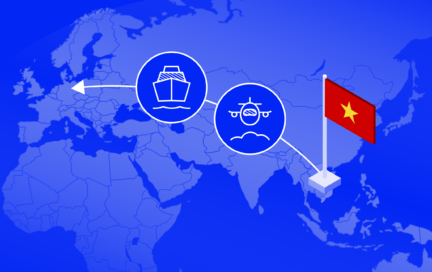
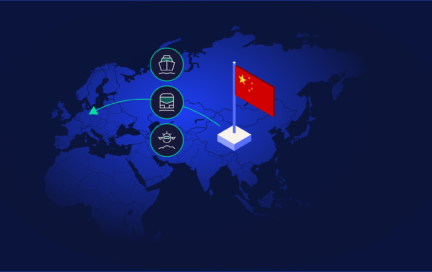
Cross-border e-commerce previously absorbed a large share of outbound Asian Air Freight capacity. The €3 flat duty reduces the profitability of flying low-value goods. E-commerce platforms are reducing charter flights out of Asian hubs, including Hong Kong (HKG), Shenzhen (SZX), and Shanghai (PVG). Instead, they are moving goods via ocean and rail freight to European distribution centers.
For standard B2B shippers, this shift frees main-deck capacity out of Asian hubs. Spot rates are stabilizing, and carriers are open to negotiating long-term Block Space Agreements (BSAs).
| Feature | Before 1 July 2026 | After 1 July 2026 |
| Air Freight Capacity | Constrained by high B2C volume | Subject to carrier capacity adjustments |
| Customs Clearance | Lenient for sub-€150 items; transit clearance allowed | Strict documentation required; destination clearance enforced |
| Routing Alternatives | Standard primary air hubs (e.g., FRA, CDG, AMS) | Regional/Alternative gateways (e.g., BUD, WAW, VIE) |
Lower e-commerce demand improves schedule reliability and transit times through European terminals. However, missing HS codes or vague commercial invoices lead to immediate customs holds.
Air Freight strategy for post-de minimis shipping
Logistics leaders must adjust their strategies for Q4 and beyond, focusing on data accuracy and emissions management.
- Consolidate outbound cargo to counter reduced freighter capacity: As carriers cut freighter services to artificially sustain rate levels, air cargo space out of Europe is tightening, driving up EU-Asia outbound rates. To mitigate these rising costs, shippers should consolidate smaller shipments into larger B2B movements with Forto’s support capacity planning and improve rate predictability.
- Digitize your customs compliance: Precise cargo descriptions and HS coding have long been standard practice for global air freight. Centralize commercial invoices, 6-digit HS codes, and required declarations using the Ship by Forto platform to create a single source of truth and ensure your data is verified before cargo ever reaches EU borders.
- Partner with customs experts: Forto’s in-house customs specialists provide direct regulatory and end-to-end support to ensure full compliance across EU entry points.
- Seize available capacity and decarbonize with SAF: With e-commerce giants shifting volumes to ocean and rail, standard B2B shippers are regaining access to predictable main-deck capacity. This stabilization presents a unique opportunity: you can now secure highly reliable routing while actively reducing your carbon footprint. By leveraging Forto’s Sustainable Aviation Fuel (SAF) offerings, you can reduce your air transport emissions by up to 80%. Forto allows you to seamlessly integrate SAF into your bookings and track your precise emissions reductions through our in-platform reporting tools.
- Leverage alternative European gateways: Major hubs in the EU will enforce tighter customs scrutiny and terminal bottlenecks due to the new de minimis clearance rules. Alternative European gateways, such as secondary airports in Eastern Europe, may offer useful routing options, depending on terminal capacity, customs arrangements and onward transport requirements.
“The real impact will depend on how e-commerce platforms adjust their volumes and how airlines respond with capacity.”
Christopher Braun, VP Global Operations, Forto
Navigating the transition with Forto
The end of the €150 de minimis threshold marks a shift towards a more transparent, standardized EU trade environment. As customs enforcement tightens and carriers adjust freighter schedules out of Europe, managing compliance data and cargo planning before dispatch is necessary to avoid delays and extra costs.
For details on managing your air freight strategy under the post-2026 customs framework, contact the Forto Air Freight team.