
Recent years have shown that volatility and disruption are now a permanent feature of global supply chains. Geopolitical tensions, shifting trade policies, route disruptions, and climate-related events continue to put pressure on international trade.
The current situation in the Middle East is only the latest example in a series of events affecting global operations. At the same time, logistics teams must respond to changing customer demands, evolving sourcing strategies, and increasing expectations for visibility and reliability.
In this environment, supply chain resilience is now a priority for organizations.
This article explores what supply chain resilience means, the key operational capabilities that support it, and how strong logistics partnerships can help organizations build more resilient supply chains.
What supply chain resilience really means in logistics
In global logistics, disruption is an unavoidable part of operations. Resilience is the ability to ensure supply chains continue to perform despite it.
In practice, this means adapting quickly, adjusting when conditions change, and recovering efficiently to maintain continuity and meet customer expectations.
This is supported by a set of operational capabilities that enable logistics teams to stay in control of their operations when disruptions occur.
Key operational capabilities behind resilient supply chains
These capabilities span areas such as data visibility, coordination across teams and partners, and flexible transport planning. Together, they provide logistics teams with the insight and control needed to respond effectively to disruptions.
Data and digital infrastructure
A solid digital infrastructure forms the foundation of resilient supply chains. This includes the ability to capture and structure reliable data, as well as integrate with logistics partners’ systems.
With accurate and accessible data, logistics teams can improve coordination, reduce errors, and make faster, more informed decisions as conditions evolve.
Visibility
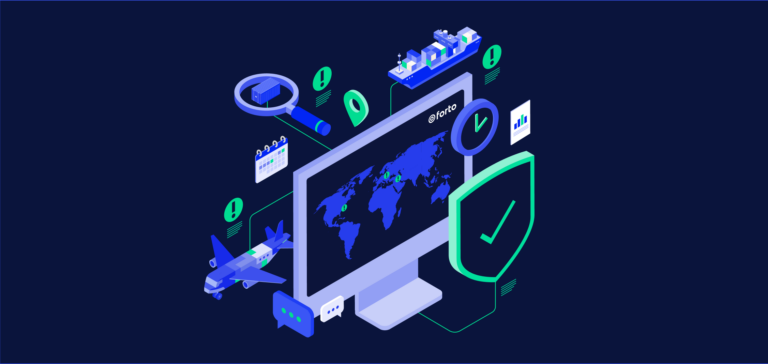
Real-time tracking of shipments, proactive notifications, and early issue detection give logistics teams a clear view of what is happening across their supply chains.
This enables them to identify delays earlier and respond more quickly to disruptions while maintaining operational continuity.
Coordination and collaboration
Strong coordination across internal teams and external logistics partners is a key capability of resilient supply chains. Clear priorities, aligned processes, and consistent communication help ensure that all stakeholders work toward the same objectives.
While digital infrastructure supports this coordination, it is ultimately driven by team alignment and leadership.
In practice, this results in faster decision-making and fewer delays caused by miscommunication or unclear responsibilities. During periods of disruption, teams can act more quickly, with less internal friction and greater clarity.
Flexibility in logistics networks
Diversification across logistics partners, routes, and transport modes strengthens operational flexibility and supports more stable supply chains.
A well-structured partner network allows teams to switch routes, adjust transport modes, or shift between providers when disruptions occur, helping to maintain continuity across shipments.
Operational agility
In logistics, situations can change rapidly. The ability to adjust plans, make decisions, and execute them promptly is essential to operational stability.
Agile teams can respond to disruptions as they occur, rather than reacting after the fact. This reduces delays and keeps shipments moving even in uncertain environments.
Building resilience without adding complexity
Building resilience often requires diversification across suppliers, routes, and logistics partners. While this can increase complexity, it also strengthens overall performance when handled effectively.
Managing this complexity requires clear coordination and a structured approach. This is supported by reliable logistics partners, integrated systems, and well-defined processes, ensuring that increased flexibility does not come at the cost of operational control.
The role of logistics partners in resilient supply chains
Strong partners support visibility through timely and accurate data, improve coordination across stakeholders, and offer the network flexibility needed to adapt routes and transport modes when necessary.
In addition, they provide an expert point of contact and reliable integration support, helping to ensure issues are addressed quickly and operations remain aligned.
The choice of logistics partners plays a critical role in building and maintaining resilient supply chain operations.
How Forto supports resilient logistics operations
Forto is a leader in supply chain technology, combining logistics expertise with advanced technology and high-quality data.
Leveraging AI-driven capabilities and a trusted global network, Forto provides fast, accurate information and reliable visibility to help logistics teams adapt quickly and make informed decisions.
This is complemented by Forto’s customer-first approach and strong focus on partnership. Dedicated points of contact and hands-on support ensure issues are addressed quickly and effectively. By combining human expertise with technology, Forto acts as a logistics partner rather than a service provider.
As a result, teams can better maintain control, manage complexity, and respond more effectively to disruption.
What logistics teams need to build resilience
Resilience is now essential for logistics teams operating in today’s environment. At its core, it ensures supply chains continue to perform despite ongoing volatility.
Capabilities such as visibility, coordination, flexibility, and responsiveness are key. Equally important are logistics partners that provide reliable data, integration, and expertise, working in true partnership rather than just service delivery.
For companies managing complex global supply chains, working with a strong partner that combines technology with logistics expertise can help strengthen resilience over time.